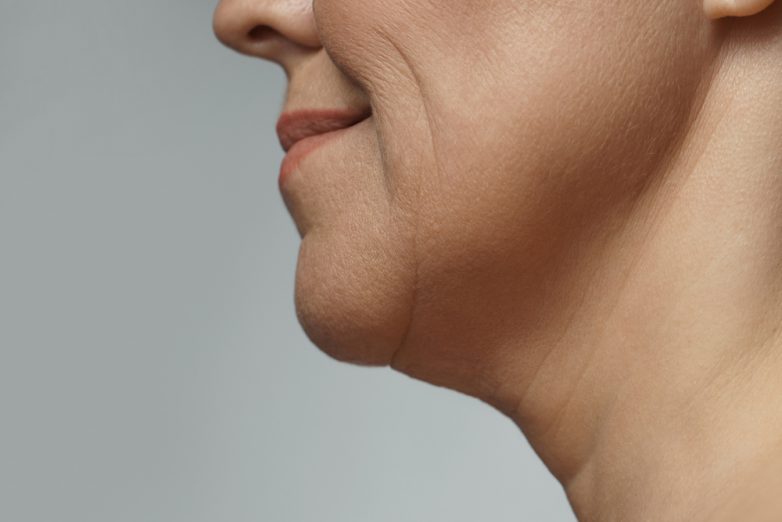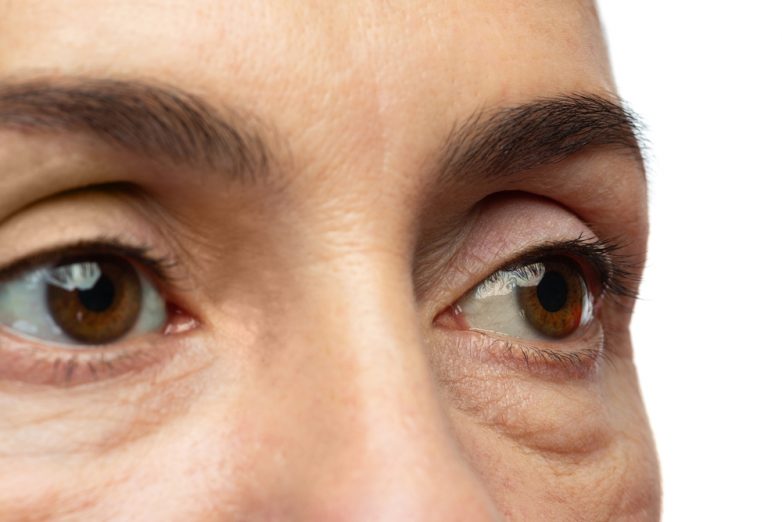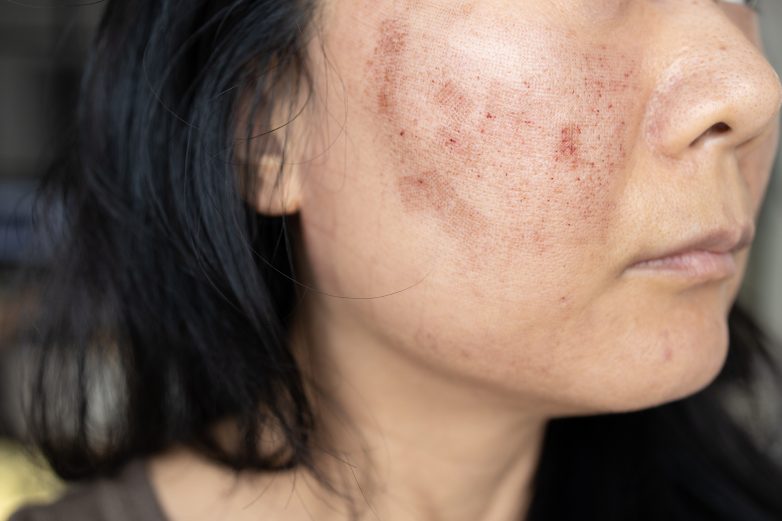
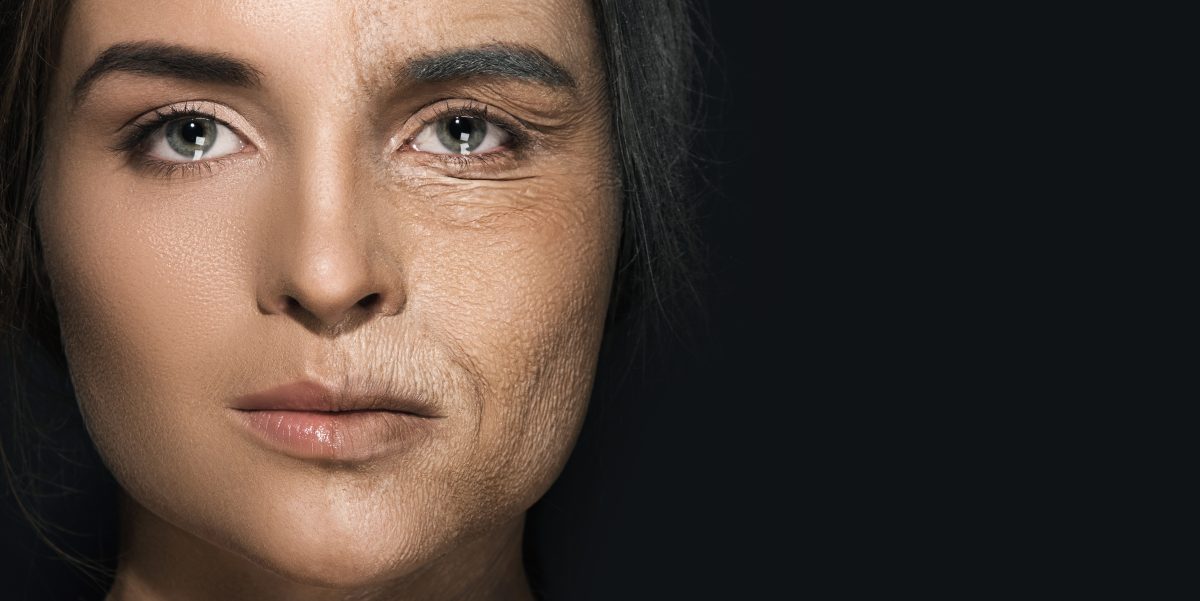
If you’ve noticed that your skin doesn’t quite bounce back the way it used to that it looks a little looser around the jaw, softer under the chin, or that lines are deepening in places they never used to be please know you’re not alone, and you’re not imagining it. That gradual loss of skin firmness is something so many women notice from their forties onwards.
If a softening jawline is your main worry, you might also like my guide on how to get rid of jowls without surgery.
Want tailored help with your skin? Come and see me at my skin clinic in Birmingham.
Skin laxity is one of the most common concerns I see at Sorelle Skin Clinic, and it’s something I feel passionately about addressing honestly. Because the truth is, losing firmness isn’t just about the surface of your skin. There’s a whole series of changes happening underneath that most people simply aren’t aware of and once you understand them, the path forward becomes much clearer.
It Starts Earlier Than You Think
Most people associate skin ageing with their forties and fifties, but the biological changes that lead to lost firmness actually begin in our mid-to-late twenties. It’s just that the effects take time to become visible and by the time they do, the cumulative loss has been building for years.
Understanding what’s really happening beneath the surface is the first step to addressing it effectively.
The Collagen Story
Collagen is the protein that gives skin its structure and firmness. Think of it as the scaffolding that holds everything in place. At its peak in our twenties our skin is rich with collagen fibres that are tightly woven, resilient and plentiful.
From around the age of 25, we begin losing roughly 1% of our collagen every year. That might not sound dramatic, but by the time you reach 45, you could have lost close to 20% of the collagen you had in your youth. And the loss isn’t just quantitative the quality changes too. The collagen fibres that remain become thinner, more fragmented, and less well-organised. The result? Skin that was once firm and springy starts to feel softer, thinner and less supported.
This process accelerates significantly around the menopause, when oestrogen levels drop sharply. Oestrogen plays a crucial role in stimulating collagen production so its decline has a very direct impact on skin firmness. In the first five years after the menopause, women can lose up to 30% of their skin’s collagen. This is why many women find their skin changes noticeably during perimenopause and beyond, often in ways that feel sudden even though the process has been gradual.
Elastin: The Bounce Factor
Alongside collagen, elastin is the protein responsible for skin’s ability to stretch and snap back into place. It’s what gives young skin that wonderful quality of resilience press it, pull it, and it returns to its original position instantly.
As we age, elastin fibres break down and become less functional. We also produce significantly less of it. The combination of depleted collagen and compromised elastin is what creates that looseness and sagging that many people notice, particularly along the jawline, under the eyes, and in the neck area.
Fat Pads, Bone and the Wider Picture
Here’s something that surprises a lot of people: losing firmness isn’t only about what’s happening in the skin itself. The structural changes beneath the skin are just as significant.
Our faces are supported by a series of fat compartments small pockets of fat that give the face its contours, fullness and lift. As we age, these fat pads reduce in volume and, crucially, they shift downwards. The fullness we once had in the cheeks migrates lower, contributing to hollowing in the mid-face and heaviness along the lower face and jowls.
The bones of the face also change with age the eye socket widens, the jawbone loses density, and the overall bony scaffold that the soft tissues rest upon becomes less prominent. This is one of the reasons that ageing faces can look ‘deflated’ rather than simply ‘lined’.
What About Lifestyle Factors?
Genetics play a significant role in how quickly and dramatically these changes occur, but lifestyle factors are hugely influential too and these are things we have some control over.
- Sun exposure is the single biggest external cause of collagen breakdown. UV radiation directly damages collagen and elastin fibres, which is why people who have spent a lot of time in the sun often appear to age faster than those with similar genetics who haven’t. Daily SPF yes, even in Birmingham is genuinely one of the most effective anti-ageing steps you can take.
- Smoking dramatically accelerates skin ageing by restricting blood flow, depleting oxygen, and generating free radicals that damage collagen.
- Rapid weight loss can exacerbate skin laxity, as the skin may not have time to adapt to the change in underlying volume.
- Chronic stress and poor sleep both elevate cortisol, which breaks down collagen over time.
- Diet matters too a lack of vitamin C, zinc and protein can impair the skin’s ability to maintain and repair its collagen network.
So What Can Actually Help With Skin Firmness?
The good news is that while we can’t stop the biological clock, there is a great deal we can do to support the skin’s structure, stimulate new collagen, and address laxity meaningfully. At Sorelle, this is an area I specialise in, and the approach I take is always tailored, honest and grounded in what the evidence actually supports.
Treatments That Stimulate Collagen
Microneedling works by creating controlled micro-injuries in the skin, which triggers the body’s natural healing response and stimulates collagen and elastin production. It’s one of the most well-evidenced treatments for improving skin texture, firmness and quality and when combined with PRP (platelet-rich plasma), Polynucleotides or exosomes, the results can be truly significant.
Polynucleotides
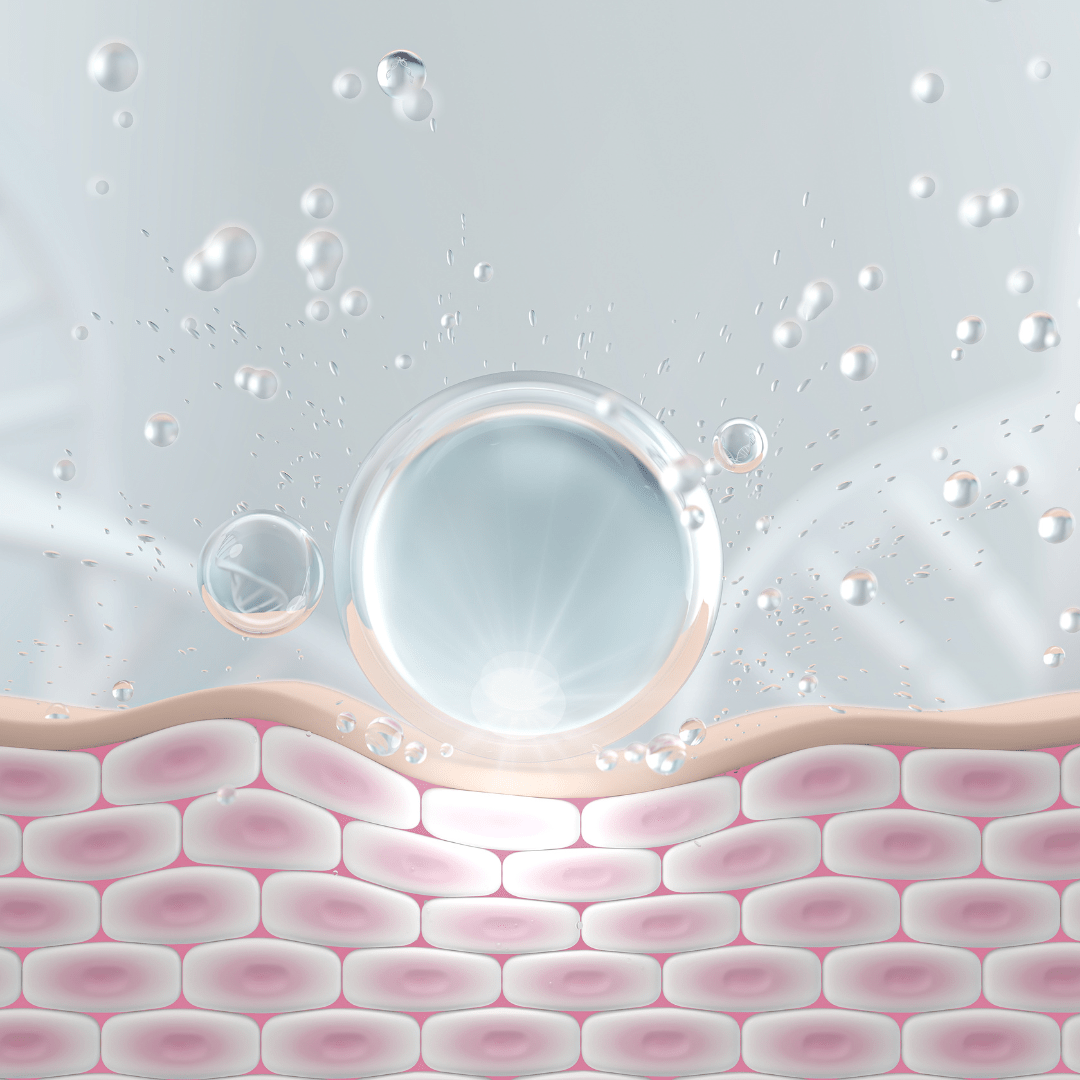
Polynucleotide (PDRN) treatments are something I am enormously enthusiastic about at Sorelle. These injectable treatments work at a cellular level to repair and regenerate skin tissue, stimulate fibroblast activity (the cells responsible for producing collagen and elastin), and restore skin quality from within. They’re particularly effective for skin laxity, crepiness and overall skin health, and the results continue to build over several months.
Skin Boosters
Restoring hydration is an essential part of addressing firmness dehydrated skin always looks and feels less taut. Skin boosters deliver deep hydration via hyaluronic acid injections, improving skin quality, elasticity and radiance in a way that topical products simply can’t replicate.
Chemical Peels
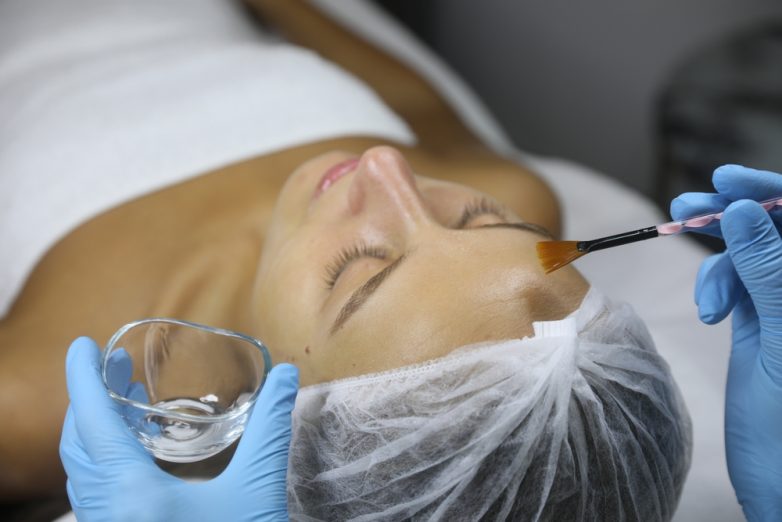
Regular chemical peels help to resurface the skin, encourage cell turnover and depending on the strength and type used can stimulate collagen production in the deeper layers. They’re a brilliant option both as a standalone treatment and as part of a wider skin treatment plan.
Your Daily Skincare
At home, retinoids (vitamin A) remain one of the most evidence-backed ingredients for supporting collagen synthesis and improving skin firmness over time. Paired with a good SPF, antioxidant serums, and targeted treatments recommended by Sorelle, a well-constructed skincare routine is an important part of the picture.
The Most Important Thing I Want You to Know
Losing firmness is a normal, natural part of ageing and there is absolutely no obligation to do anything about it. But if it’s something that bothers you, if you find yourself looking in the mirror and feeling like your face no longer reflects how you feel inside, then there are genuinely effective options available to you.
What I always aim for at Sorelle is not to make you look younger, like you’re in your 20s again, but to help you look like the best, most rested, most vibrant version of yourself. The approach is always thoughtful, always personalised, and always honest.
If you’d like to talk through your concerns and explore what might help, I’d genuinely love to hear from you. A consultation with me is always a conversation relaxed, informative and completely without pressure.
Book your consultation at Sorelle Skin Clinic, Birmingham, call or book online here
If you’ve noticed your skin losing firmness, treatments like polynucleotides and skin boosters can help rebuild it from within. Book a consultation and we’ll find the right approach for you.