

As temperatures rise and we spend more time outdoors, many people notice their skin feeling tight, dull, sensitive, or unusually oily. While it is easy to assume that these symptoms are caused by dry skin, the real culprit is often dehydration.
Dehydrated skin is one of the most common yet misunderstood skincare concerns, particularly during the summer months. Unlike dry skin, which is a skin type, dehydration is a temporary condition that occurs when the skin lacks water. It can affect anyone, regardless of whether their skin is oily, combination, dry, or acne-prone.
Understanding how hydration works both inside and outside the body can help you maintain healthier, more resilient skin throughout the warmer months. In this guide, I’ll explore the science behind skin hydration, the role of water intake, signs of dehydration, and practical strategies for keeping your skin looking and feeling its best all summer long.
Why Water Intake Is Crucial for Skin Health
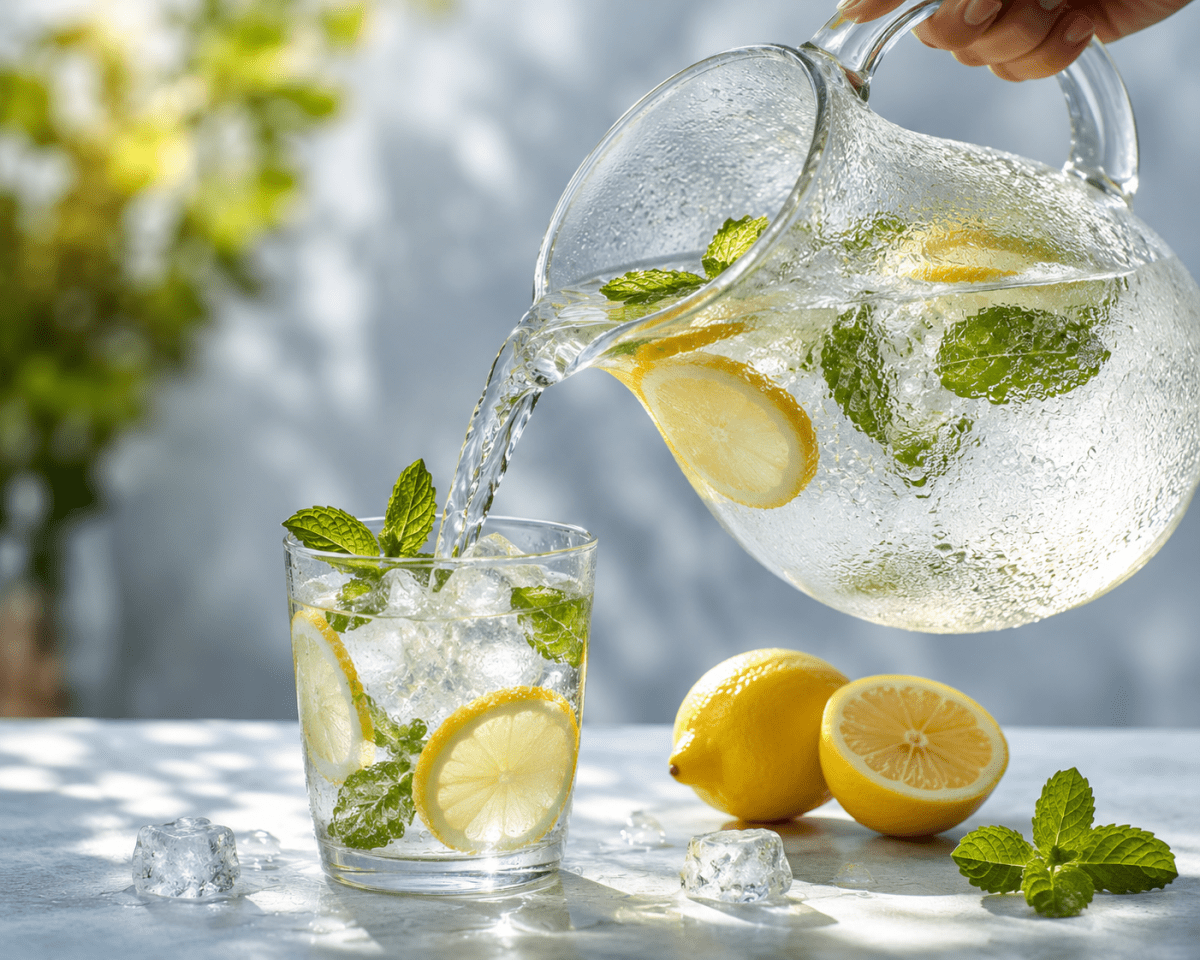
Water is essential for virtually every function within the body, including the maintenance of healthy skin.
The skin acts as the body’s largest organ and serves as a protective barrier against environmental stressors. To perform this function effectively, skin cells require adequate hydration.
When the body becomes dehydrated, it prioritises essential organs such as the brain, heart, and kidneys. As a result, the skin may receive less support, contributing to visible signs of dehydration.
Adequate hydration supports:
- Healthy skin barrier function
- Nutrient transport to skin cells
- Waste removal
- Improved skin elasticity
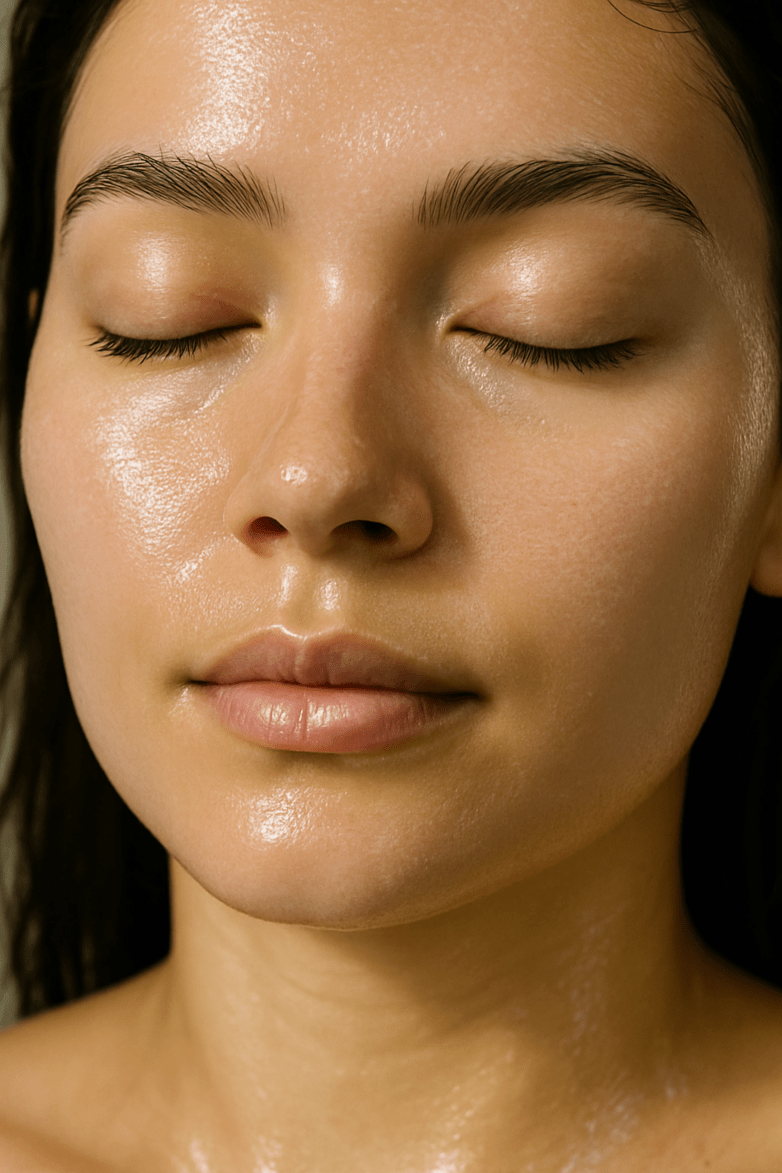
- A smoother, plumper appearance
While drinking more water alone is not a miracle cure for all skin concerns, chronic dehydration can contribute to skin looking dull, tired, and less resilient.
How Much Water Should You Drink?
Hydration needs vary depending on:
- Activity levels
- Climate
- Body size
- Health conditions
- Diet
Increased sweating during summer often raises daily fluid requirements.
Good hydration sources include:
- Water
- Herbal teas
- Fruits with high water content
- Vegetables such as cucumber and lettuce
Rather than focusing solely on a specific number of litres per day, monitoring thirst, urine colour, and overall wellbeing can provide useful indicators of hydration status.
Signs of Dehydrated Skin
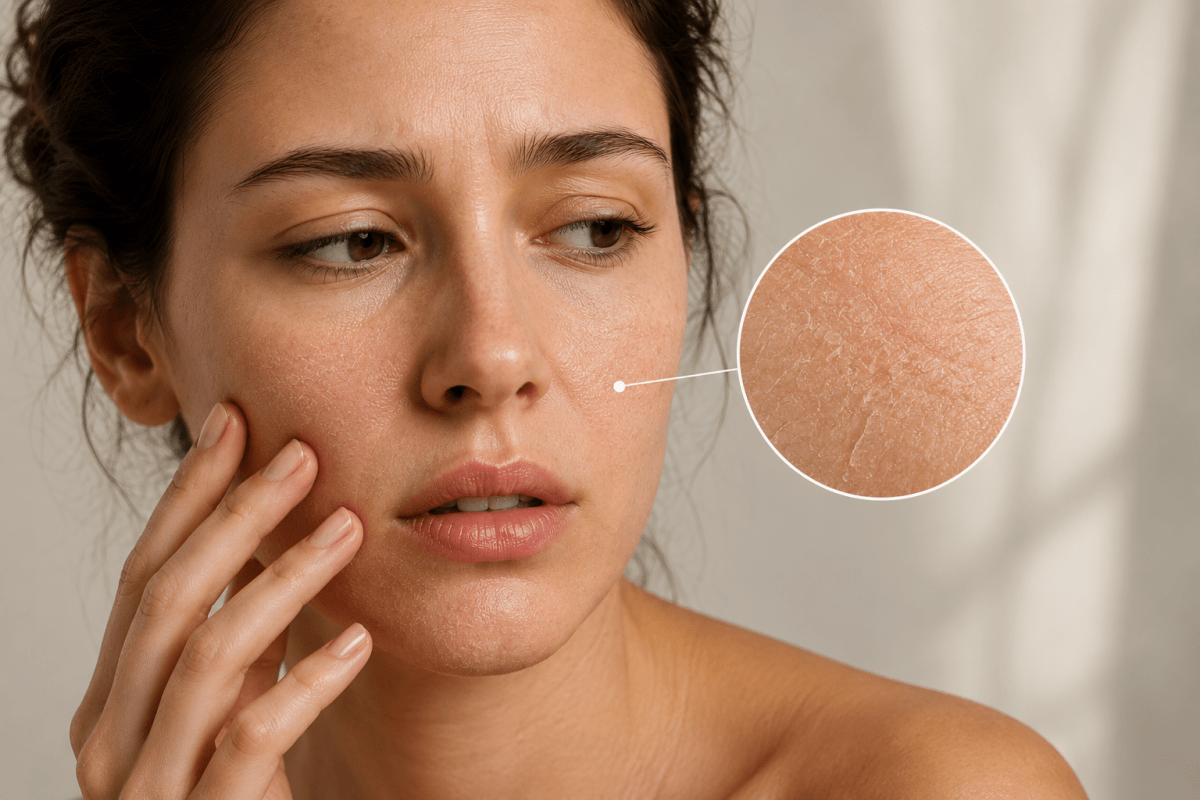
Dehydrated skin often presents differently from dry skin and can sometimes be mistaken for other skincare concerns.
Common signs include:
Tightness
Skin may feel tight shortly after cleansing, even if oil production is normal.
Dullness
Dehydrated skin often lacks its usual radiance and can appear tired or flat.
Increased Sensitivity
When the skin barrier becomes compromised, irritation and sensitivity may become more noticeable.
Fine Dehydration Lines
Temporary fine lines may appear more visible when skin lacks water.
These lines often improve once hydration levels are restored.
Rough Texture
Water loss can lead to uneven skin texture and a less smooth appearance.
Excess Oil Production
Surprisingly, oily skin can become dehydrated.
In response to water loss, the skin may increase oil production in an attempt to compensate, creating a cycle of shine without adequate hydration.
The Difference Between Dehydrated Skin and Dry Skin
One of the biggest misconceptions in skincare is that dehydrated skin and dry skin are the same thing.
They are not.
| Dehydrated Skin | Dry Skin |
|---|---|
| Lacks water | Lacks oil |
| Temporary condition | Skin type |
| Can affect any skin type | Usually lifelong tendency |
| Often caused by environment or lifestyle | Caused by lower oil production |
| May appear oily and dehydrated simultaneously | Typically feels consistently dry |
What Causes Dehydrated Skin?
Common causes include:
- Hot weather
- Sun exposure
- Air conditioning
- Excessive cleansing
- Over-exfoliation
- Inadequate water intake
- Alcohol consumption
- Certain medications
What Causes Dry Skin?
Dry skin is often influenced by:
- Genetics
- Ageing
- Reduced sebaceous gland activity
- Certain medical conditions
Understanding this distinction is important because dehydrated skin requires water-focused support, while dry skin requires oil and lipid replenishment.
Combating Dehydrated Skin
Fortunately, dehydration can often be improved with a combination of lifestyle changes and targeted skincare.
Choose Hydrating Ingredients
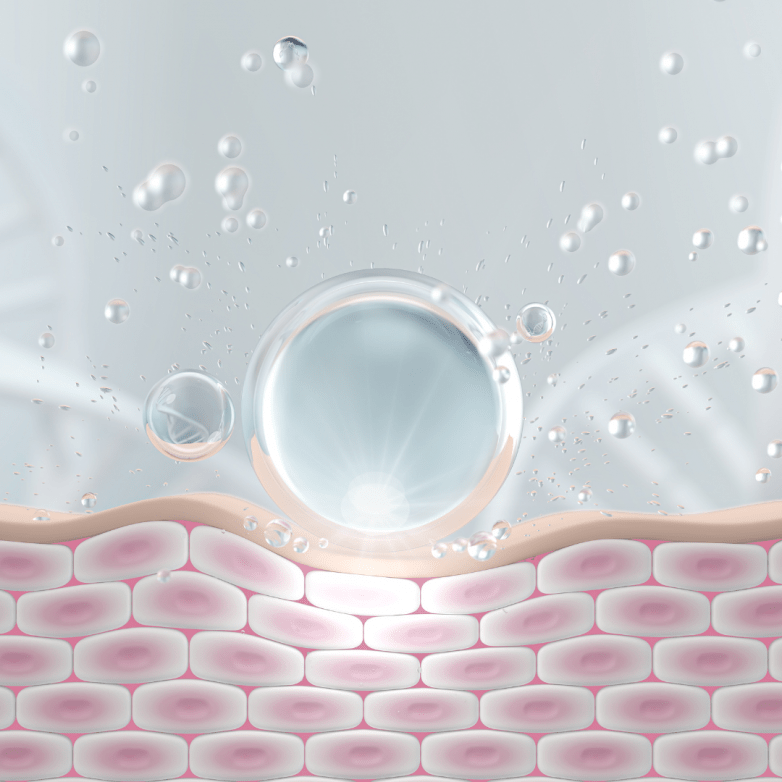
Look for ingredients known as humectants, which attract water into the skin.
Examples include:
- Hyaluronic acid
- Glycerin
- Panthenol
- Aloe vera
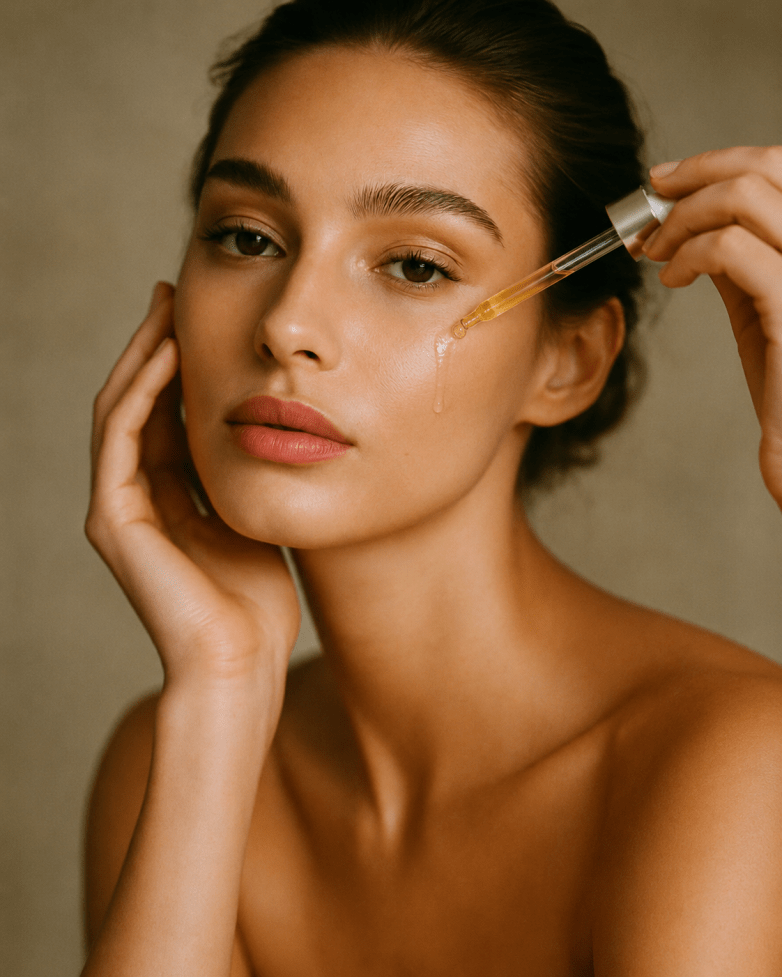
The Hyaluronic Vit C Serum from Sorelle Clinic can be an excellent addition to a summer skincare routine, helping to support hydration while providing antioxidant benefits.
Protect the Skin Barrier
A healthy skin barrier reduces water loss.
Ingredients that support barrier function include:
- Ceramides
- Fatty acids
- Cholesterol
- Squalane
Barrier-supporting moisturisers help lock hydration into the skin and improve resilience.
Avoid Over-Exfoliation
Excessive use of acids, scrubs, or retinoids can compromise the skin barrier and contribute to dehydration.
If your skin feels tight, sensitive, or irritated, consider simplifying your routine temporarily.
Use Gentle Cleansers
Harsh cleansers can strip the skin of essential moisture.
A gentle cleanser that respects the skin barrier is often a better choice, particularly during periods of increased sun exposure.
Preventing Dehydrated Skin in Summer
Prevention is often easier than correction.
Stay Consistently Hydrated
Drink fluids regularly throughout the day rather than waiting until you feel extremely thirsty.
Use Daily Sun Protection
UV exposure contributes to skin barrier disruption and moisture loss.
Applying a broad-spectrum SPF daily is one of the most effective ways to support long-term skin health.
Sorelle Clinic’s SPF products can help protect against environmental factors that contribute to dehydration and premature ageing.
Reduce Excessive Heat Exposure
Extended exposure to direct sunlight can accelerate transepidermal water loss.
Where possible:
- Seek shade
- Wear protective clothing
- Use wide-brimmed hats
- Reapply sunscreen regularly
Include Hydrating Serums
Hydrating serums can help increase water content within the skin and improve overall comfort during warmer months.
Monitor Indoor Environments
Air conditioning may feel refreshing, but it can also contribute to dehydration by reducing moisture levels in the air.
If you spend significant time indoors, ensure your skincare routine includes adequate hydration support.
Why Summer Skin Can Look Dull Even When You’re Drinking Water
Many people assume that drinking plenty of water automatically guarantees hydrated skin.
Unfortunately, skin hydration is more complex.
Several factors influence hydration levels, including:
- Skin barrier integrity
- Environmental conditions
- Product selection
- UV exposure
- Age
- Lifestyle habits
This is why topical hydration and barrier support remain important even when overall fluid intake is adequate.
The most effective approach combines internal hydration with a skincare routine designed to minimise water loss and strengthen the skin barrier.
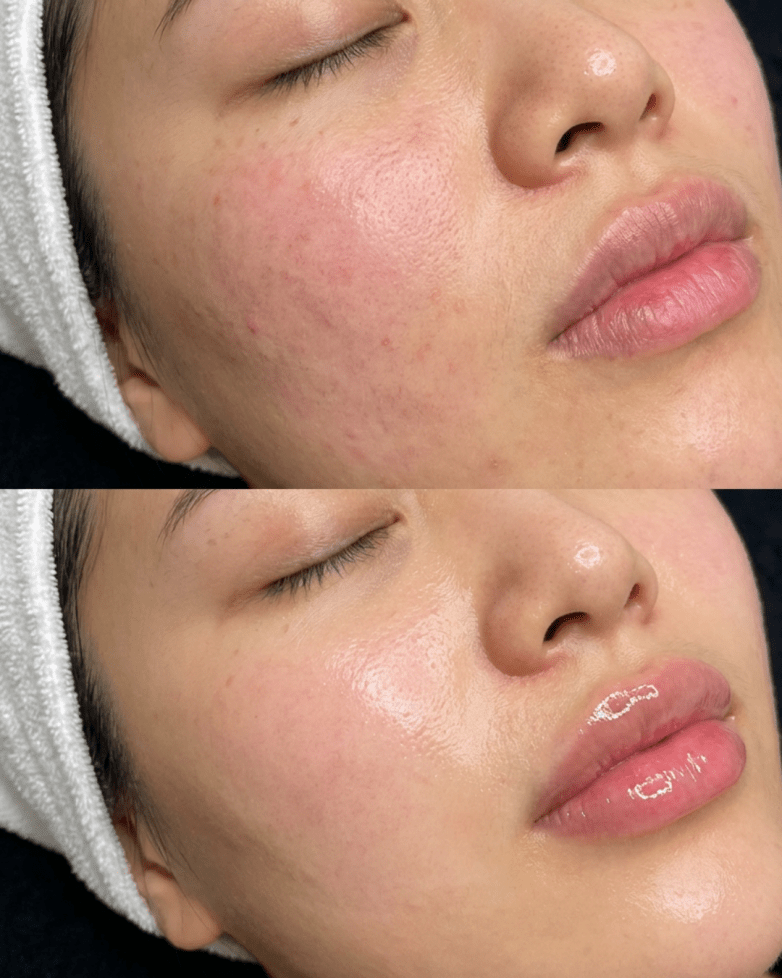
For those struggling with dehydrated or dry skin, our Signature Glow Facial can be an excellent professional treatment to complement your home skincare routine. Designed to deeply nourish, hydrate and revitalise the skin, this facial helps restore moisture levels, support the skin barrier and improve overall radiance. By combining targeted hydration with gentle exfoliation and skin-replenishing ingredients, the Signature Glow Facial leaves the complexion feeling softer, smoother and visibly more refreshed, making it particularly beneficial during the summer months when heat, sun exposure and air conditioning can contribute to dehydration.
Frequently Asked Questions
Can oily skin become dehydrated?
Yes. Oily skin can still lack water and may even produce more oil in response to dehydration.
Will drinking more water cure dehydrated skin?
Adequate hydration is important, but skincare products that support the skin barrier are often also necessary.
How quickly can dehydrated skin improve?
Many people notice improvements within days to weeks when hydration levels and skincare routines are optimised.
Can air conditioning cause dehydrated skin?
Yes. Air conditioning can reduce environmental moisture and contribute to water loss from the skin.
Is hyaluronic acid good for dehydrated skin?
Yes. Hyaluronic acid is one of the most effective humectants for attracting and retaining water within the skin.
What is the biggest cause of dehydrated skin during summer?
A combination of sun exposure, heat, sweating, air conditioning, and inadequate hydration often contributes to dehydration.
Final Thoughts
Dehydrated skin is a common concern during summer, but it is also highly manageable when understood correctly. Unlike dry skin, dehydration is a temporary condition caused by insufficient water within the skin. It can affect every skin type, from oily to sensitive, and often presents as tightness, dullness, sensitivity, and increased fine lines.
Maintaining healthy hydration requires a holistic approach that combines adequate fluid intake, sun protection, barrier-supporting skincare, and hydrating ingredients such as hyaluronic acid.
By understanding the science behind hydration and making small adjustments to your daily routine, you can help your skin remain comfortable, resilient, and radiant throughout the summer months.

You Might Also Like