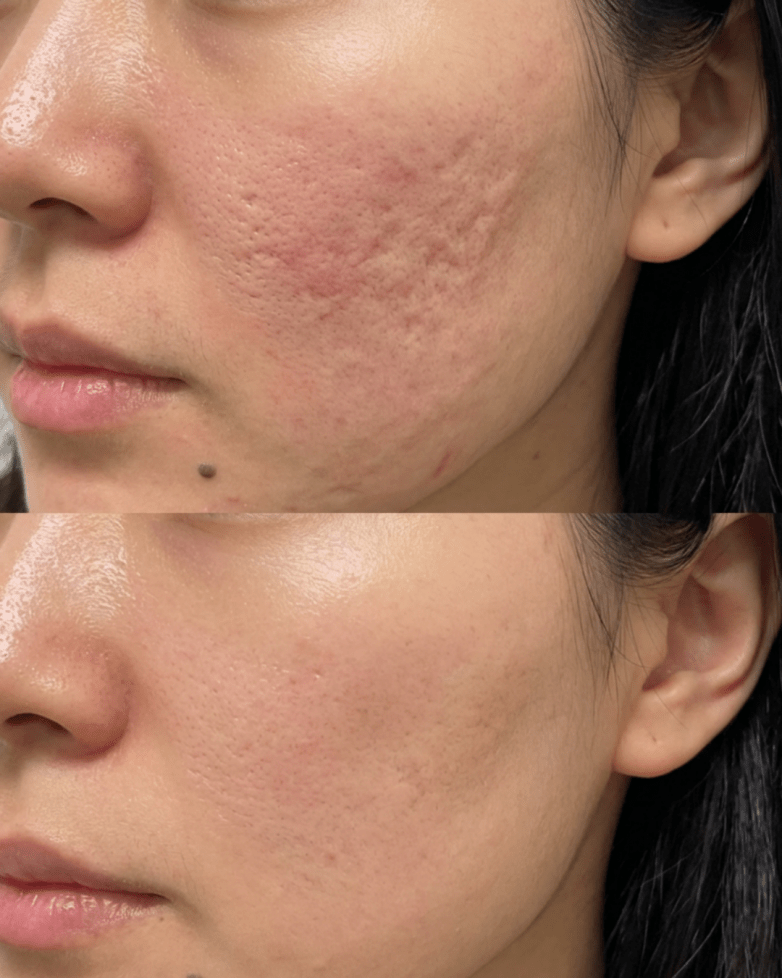


Vitamin C is one of the most researched ingredients in modern skincare. From brightening dull complexions to reducing pigmentation and supporting collagen production, it has earned a reputation as a true multitasker. Yet despite its popularity, many people are still unsure about what Vitamin C actually does, which strength they should use, how long it takes to work, and whether it’s suitable for their skin type.
In this scientific guide, I’ll explore the evidence behind Vitamin C skincare, explain how it works, discuss potential side effects, and show you how to incorporate it into your routine for the best possible results.
What Is Vitamin C and How Does It Work in Skincare?
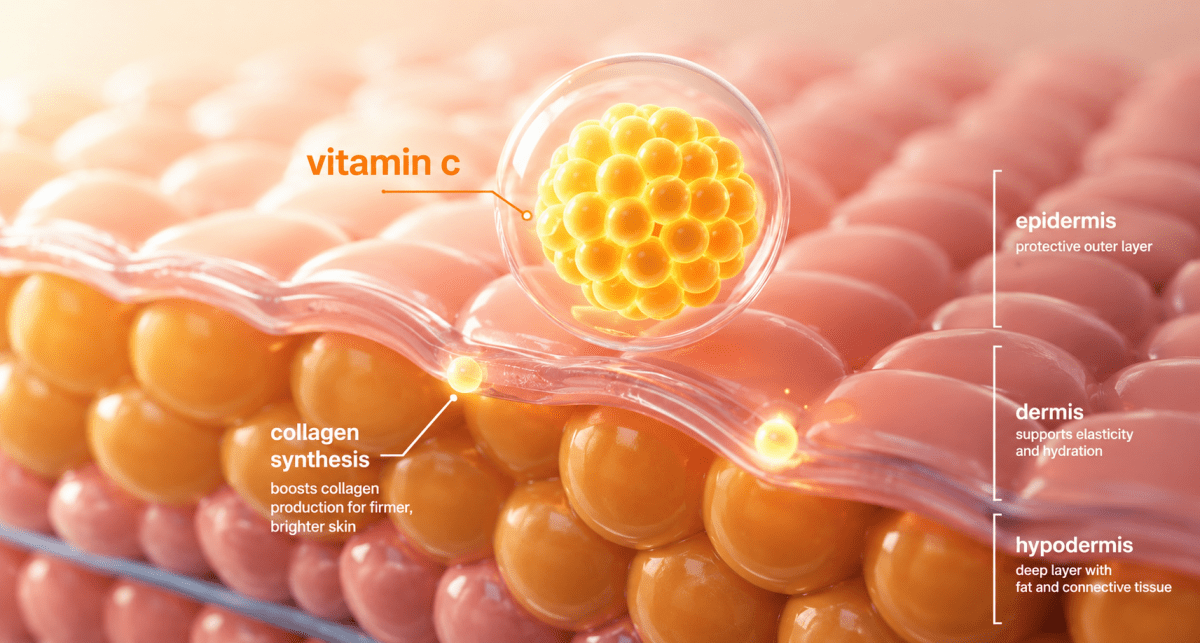
Vitamin C, also known as ascorbic acid, is a powerful antioxidant naturally found in the skin. Its primary role is to protect cells from oxidative stress caused by environmental aggressors such as UV radiation, pollution, cigarette smoke, and free radicals.
Free radicals are unstable molecules that damage healthy skin cells and accelerate signs of ageing. Over time, this damage contributes to wrinkles, pigmentation, loss of elasticity, and uneven skin tone.
When applied topically, Vitamin C helps neutralise free radicals before they can cause significant damage. It also supports the skin’s natural repair processes and plays a crucial role in collagen synthesis.
Collagen is the structural protein responsible for keeping skin firm, smooth, and youthful. As we age, collagen production naturally declines, leading to fine lines, wrinkles, and sagging. Vitamin C acts as an essential co-factor in the production of new collagen, helping the skin maintain its strength and resilience.
Unlike some skincare ingredients that target only one concern, Vitamin C addresses multiple issues simultaneously, making it one of the most versatile ingredients available.
What Are the Benefits of Using Vitamin C?
Brighter, More Radiant Skin
One of the most noticeable benefits of Vitamin C is its ability to improve overall skin brightness. Many people report a healthier, more radiant complexion within weeks of consistent use.
Reduction in Hyperpigmentation
Vitamin C helps inhibit tyrosinase, an enzyme involved in melanin production. By reducing excess melanin formation, it can help fade:
- Sun spots
- Age spots
- Post-inflammatory hyperpigmentation
- Uneven skin tone
Enhanced Collagen Production
As mentioned earlier, Vitamin C is vital for collagen synthesis. Regular use may help improve skin firmness and reduce the appearance of fine lines over time.
Protection Against Environmental Damage
Although Vitamin C is not a substitute for sunscreen, it provides additional antioxidant protection against environmental stressors that contribute to premature ageing.
Improved Skin Texture
Many clients notice smoother skin texture and a more refined appearance with consistent use.
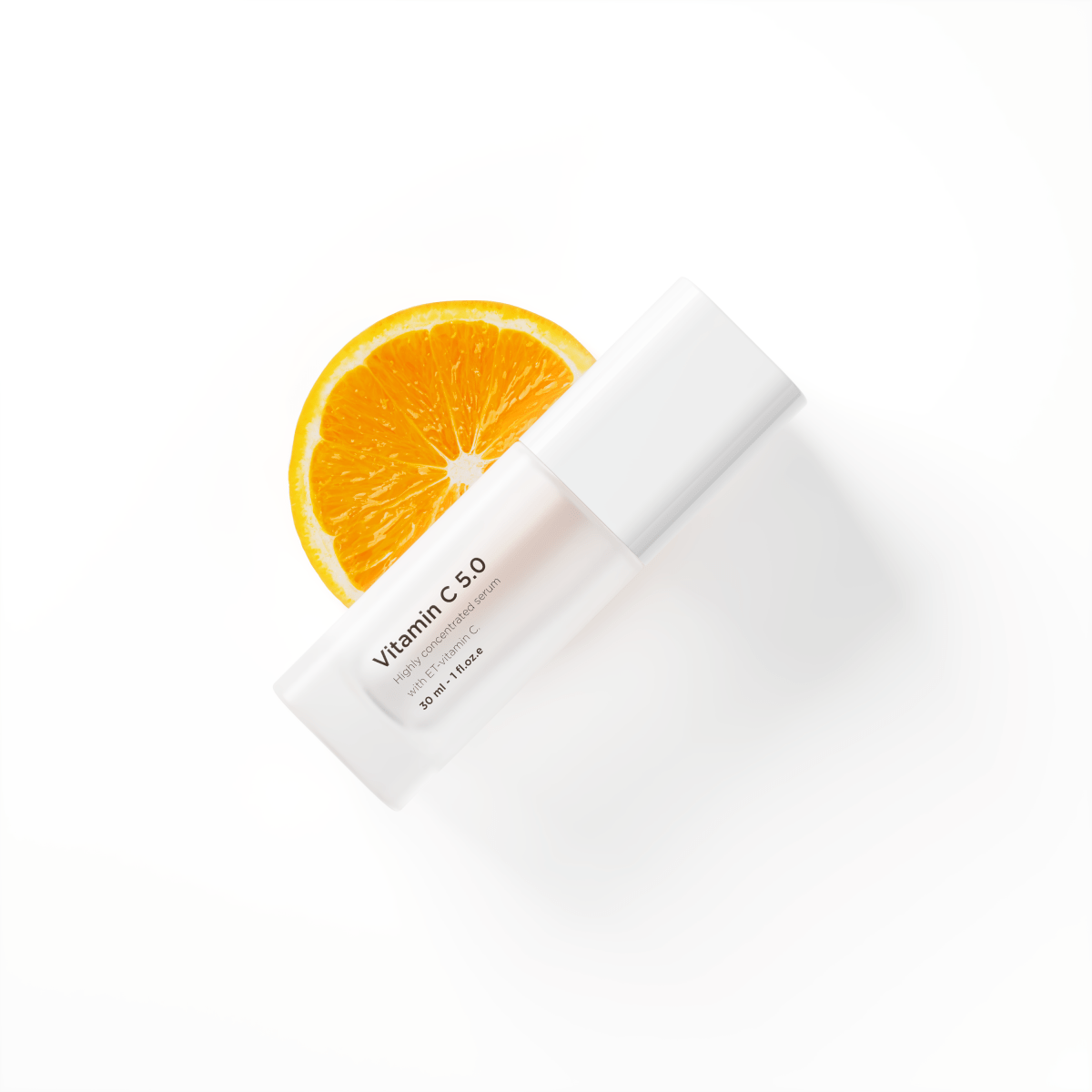
For individuals looking to introduce Vitamin C into their routine, the Vitamin C 5.0 Serum from the Sorelle Clinic skincare store offers a targeted approach designed to support brightness and skin health.
What Strength Vitamin C Should I Use?
Not all Vitamin C products are created equal. The concentration you choose can significantly influence both results and tolerability.
5% Vitamin C
Ideal for:
- Beginners
- Sensitive skin
- Reactive skin conditions
Benefits include:
- Gentle brightening
- Reduced risk of irritation
- Suitable for daily use
10–15% Vitamin C
Ideal for:
- Most skin types
- Pigmentation concerns
- Early signs of ageing
This range is often considered the sweet spot between effectiveness and tolerability.
20% Vitamin C and Above
Ideal for:
- Experienced users
- Resistant skin types
Higher strengths may provide enhanced antioxidant activity but also increase the risk of:
- Stinging
- Redness
- Dryness
- Irritation
Contrary to popular belief, stronger is not always better. Consistency often delivers better long-term results than using the highest concentration possible.
How Often Should You Apply Vitamin C?
Most people can safely use Vitamin C once daily.
Morning Application
Morning use is generally recommended because Vitamin C helps defend against daily environmental exposure.
A typical morning routine may include:
- Cleanser
- Vitamin C serum
- Moisturiser
- Broad-spectrum SPF
Twice Daily Use
Individuals with well-tolerated skin may choose to apply Vitamin C both morning and evening.
However, if irritation occurs, reducing usage to once daily or every other day is often sufficient.
How Long Does It Take to See Results?
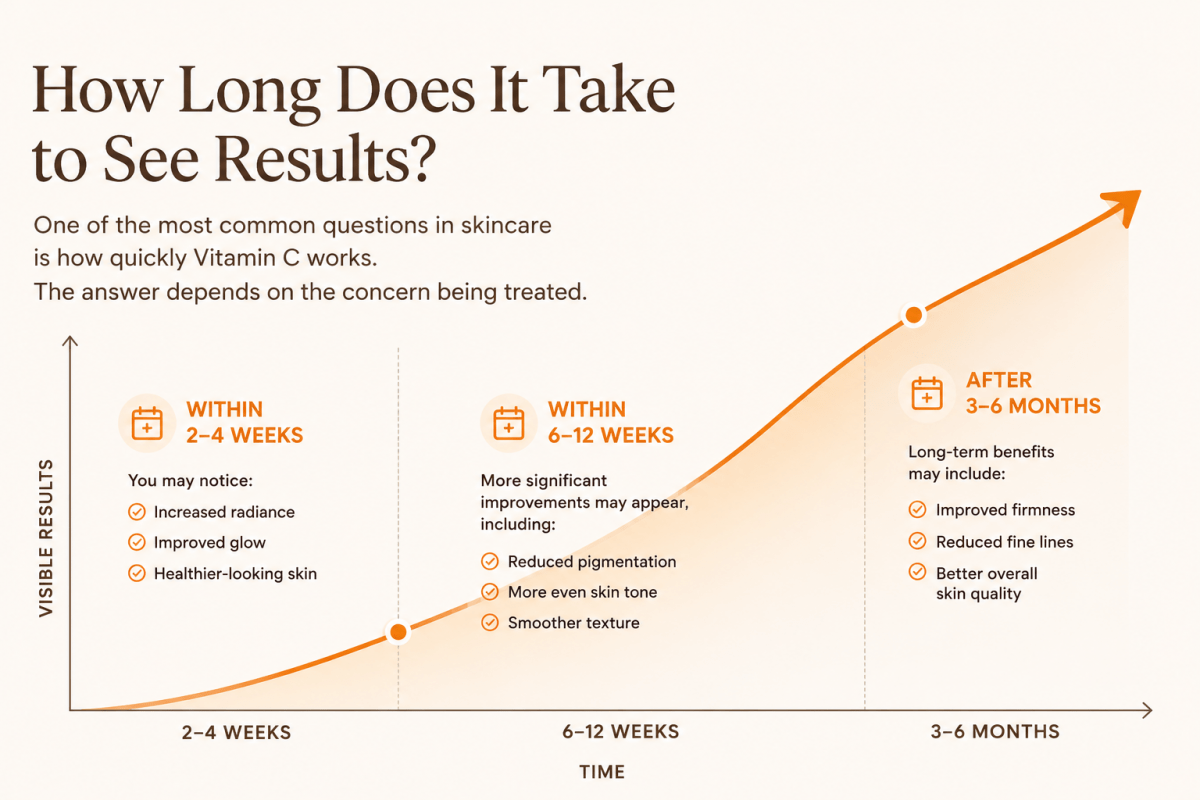
One of the most common questions in skincare is how quickly Vitamin C works.
The answer depends on the concern being treated.
Within 2–4 Weeks
You may notice:
- Increased radiance
- Improved glow
- Healthier-looking skin
Within 6–12 Weeks
More significant improvements may appear, including:
- Reduced pigmentation
- More even skin tone
- Smoother texture
After 3–6 Months
Long-term benefits may include:
- Improved firmness
- Reduced fine lines
- Better overall skin quality
Like most evidence-based skincare ingredients, Vitamin C requires consistency and patience.
What Are the Side Effects and How Should You Avoid Them?
Vitamin C is generally considered safe, but some individuals may experience side effects.
Common Side Effects
These may include:
- Mild stinging
- Temporary redness
- Dryness
- Tingling sensation
These effects are usually mild and often improve as the skin adapts.
How to Reduce Irritation
To minimise side effects:
- Start with a lower concentration
- Introduce gradually
- Use alongside a moisturiser
- Avoid combining too many active ingredients initially
Supporting the skin barrier with a ceramide-rich moisturiser can also improve tolerance.
When to Stop Use
Discontinue use if you experience:
- Persistent burning
- Severe redness
- Swelling
- Allergic reactions
Consult a doctor if symptoms persist.
Can Vitamin C Help with Ageing, Pigmentation, Wrinkles or Fine Lines?
Vitamin C and Ageing
Research consistently shows that Vitamin C can help address multiple signs of skin ageing.
Its antioxidant activity helps reduce cumulative oxidative damage, while its role in collagen synthesis supports firmer, healthier skin.
Vitamin C and Wrinkles
Wrinkles develop due to collagen breakdown and repeated facial movement. By supporting collagen production, Vitamin C may help soften the appearance of existing wrinkles and delay the formation of new ones.
Vitamin C and Fine Lines
Fine lines often appear before deeper wrinkles develop. Regular use may improve skin texture and reduce their visibility.
Vitamin C and Pigmentation
Vitamin C is particularly effective for pigmentation concerns because it helps regulate melanin production.
Conditions that may benefit include:
- Sun-induced pigmentation
- Post-inflammatory hyperpigmentation
- Uneven skin tone
Individuals targeting stubborn pigmentation may benefit from combining Vitamin C with brightening treatments and products designed for uneven skin tone, such as Sorelle Clinic’s Radiance-focused skincare range.
How Should You Incorporate Vitamin C into Your Routine?
A simple routine often produces the best results.
Morning Routine Example
Step 1: Gentle cleanser
Step 2: Vitamin C serum
Step 3: Moisturiser
Step 4: SPF
Sun protection is especially important because UV exposure remains one of the primary causes of pigmentation and premature ageing.
Evening Routine Example
Step 1: Cleanser
Step 2: Vitamin C serum
Step 3: Moisturiser
For experienced users, additional active ingredients can be incorporated gradually.
What Ingredients Does Vitamin C Pair Well With?
One of Vitamin C’s strengths is its ability to work alongside many other skincare ingredients.
Vitamin C and Hyaluronic Acid
This combination is excellent for hydration and radiance.
Hyaluronic acid attracts water into the skin, while Vitamin C improves brightness and antioxidant protection.
The Hyaluronic Vit C Serum from Sorelle Clinic combines these complementary benefits.
Vitamin C and Niacinamide
Older skincare advice suggested avoiding this combination, but modern research has largely disproven this concern.
Together they may help:
- Improve skin tone
- Strengthen the barrier
- Reduce redness
- Enhance brightness
The Niacinamide 5.0 Serum can be an effective companion product within a comprehensive skincare routine.
Vitamin C and Retinol
Both ingredients offer anti-ageing benefits.
Vitamin C is typically used in the morning, while retinol is often reserved for evening use.
This approach can help maximise results while minimising irritation.
The Retinol 1.0 Serum may complement a Vitamin C routine for those focused on long-term anti-ageing goals.
Vitamin C and Sunscreen
This is arguably the most important pairing.
Vitamin C helps defend against oxidative stress, while sunscreen blocks UV radiation.
Together they provide a stronger defence against premature skin ageing than either product alone.

Frequently Asked Questions
Can I use Vitamin C every day?
Yes. Most individuals can safely use Vitamin C daily, particularly at lower concentrations.
Should I use Vitamin C in the morning or evening?
Morning application is generally preferred because it provides antioxidant protection throughout the day.
Can Vitamin C cause purging?
Vitamin C does not typically cause purging. Irritation is more common than true purging.
Can sensitive skin use Vitamin C?
Yes. Starting with a lower concentration such as 5% can help minimise irritation.
Does Vitamin C replace sunscreen?
No. Vitamin C complements sunscreen but does not replace it.
Can Vitamin C fade dark spots?
Yes. Research indicates that Vitamin C can help reduce pigmentation by inhibiting melanin production.
Is Vitamin C suitable for mature skin?
Absolutely. Its collagen-supporting and antioxidant properties make it one of the most beneficial ingredients for ageing skin.
Final Thoughts
Vitamin C remains one of the most evidence-backed ingredients in skincare for good reason. Its ability to brighten skin, support collagen production, reduce pigmentation, improve texture, and protect against environmental damage makes it a valuable addition to almost any skincare routine.
While results are not immediate, consistent use over several weeks and months can lead to visible improvements in skin tone, radiance, and overall skin health. Choosing the right concentration, introducing it gradually, and pairing it with complementary ingredients such as hyaluronic acid, niacinamide, retinol, and sunscreen can maximise its benefits.
For those seeking a science-led approach to skincare, Vitamin C continues to be one of the most effective investments you can make in the long-term health and appearance of your skin.
Scientific References
- Pullar JM, Carr AC, Vissers MCM. The Roles of Vitamin C in Skin Health. Nutrients. 2017.
- Telang PS. Vitamin C in Dermatology. Indian Dermatology Online Journal. 2013.
- Farris PK. Topical Vitamin C: A Useful Agent for Treating Photoaging and Other Dermatologic Conditions. Dermatologic Surgery. 2005.
- Al-Niaimi F, Chiang NYZ. Topical Vitamin C and the Skin. Journal of Clinical and Aesthetic Dermatology. 2017.
- National Library of Medicine – PubMed:
https://pubmed.ncbi.nlm.nih.gov/ - National Center for Biotechnology Information:
https://www.ncbi.nlm.nih.gov/ - PubMed Central:
https://pmc.ncbi.nlm.nih.gov/ - American Academy of Dermatology:
https://www.aad.org/

You Might Also Like