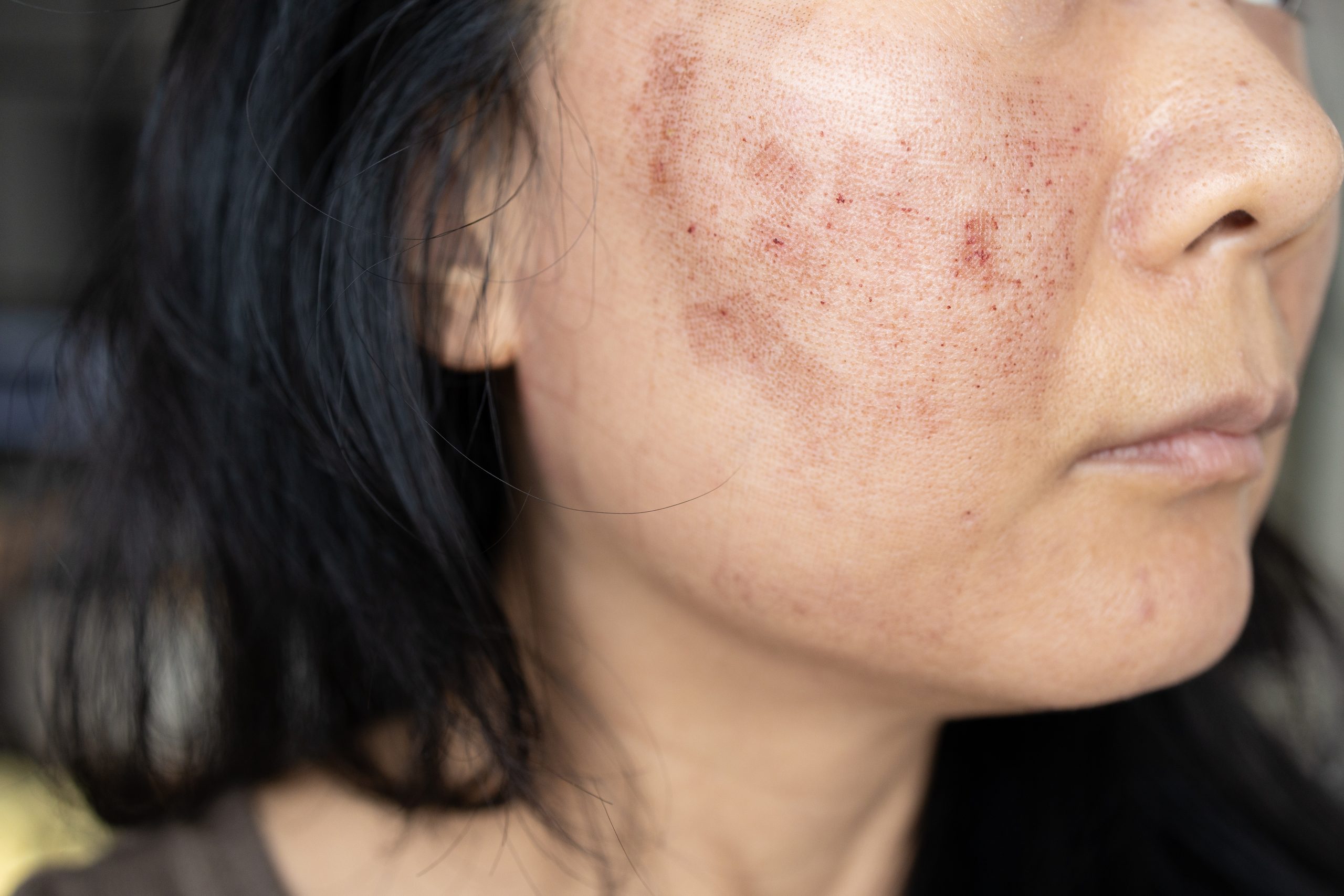
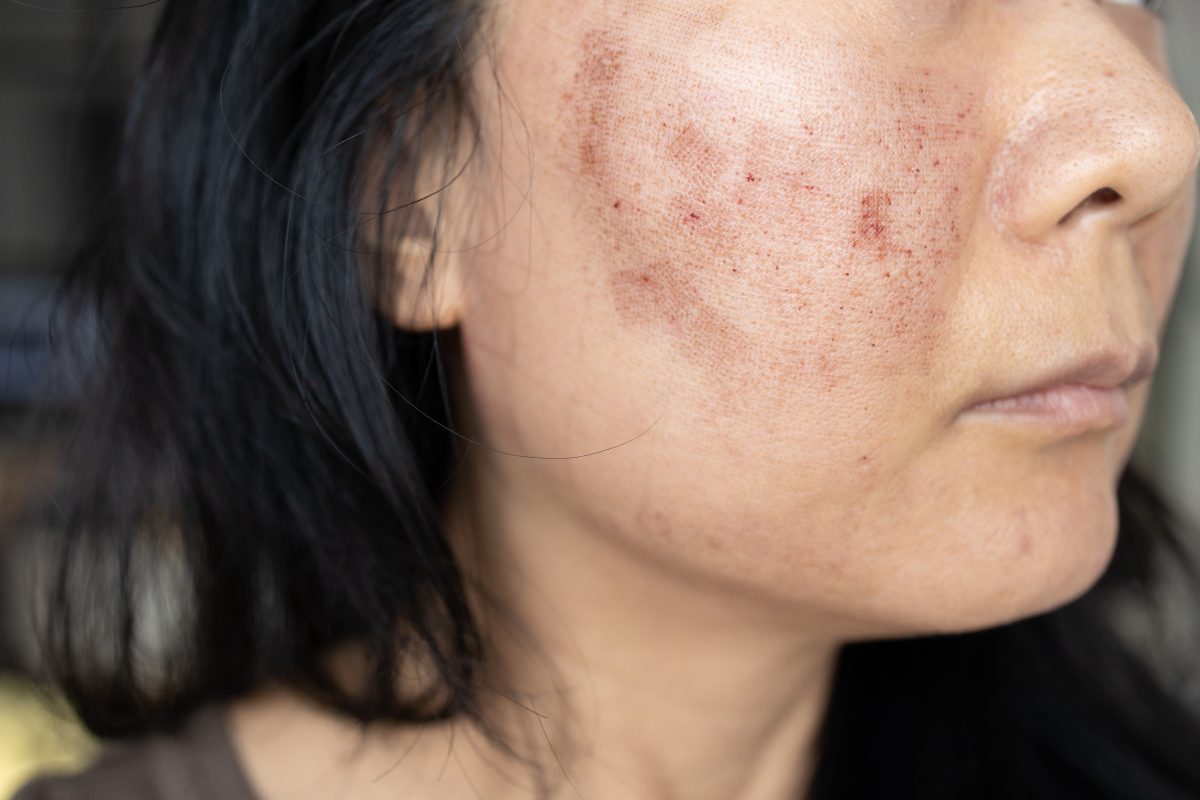
One of the most common things I hear in clinic goes something like this: “I’ve suddenly got these patches on my face and I have no idea where they came from.” If you have noticed brown or greyish patches, blotchiness or dark marks creeping in, particularly across your cheeks, forehead or upper lip, you are far from alone. Pigmentation is one of the biggest skin worries for women in their 40s and 50s, and there is a very good reason it tends to show up right around now.
Let me talk you through what is actually going on, and the honest, effective ways to treat it.
First, what kind of pigmentation is it?
Pigmentation is not all the same, and that matters, because the right treatment depends on the type. The main ones I see are:
- Melasma, larger, often symmetrical patches, usually on the cheeks, forehead or upper lip. It is strongly linked to hormones and made worse by sun and heat. This is the one that so often appears or worsens in perimenopause, which is why it catches so many women off guard in their 40s.
- Sun spots, the smaller, freckle like brown spots that build up over years of sun exposure. These tend to arrive a little later and sit where the sun hits most.
- Post inflammatory pigmentation, the dark marks left behind after a spot, a bit of irritation or a breakout.
Working out which you have is the first job, and it is exactly why I start with a proper skin analysis, so I can see what is happening beneath the surface rather than just on top.
Why does melasma turn up in your 40s?
Melasma is driven largely by hormones, so the hormonal shifts of perimenopause are a classic trigger. Add in the fact that our skin has had four decades or more of sunlight by this point, and you have the perfect conditions for those patches to appear or deepen. It is incredibly common, and it is absolutely not something you have done wrong.
The honest truth about treating melasma
I am always straight with you, so here it is. Melasma in particular is stubborn. It is best thought of as something we manage and greatly improve rather than something we can promise to erase forever, and it can come back if it is not looked after. It is also heat and light sensitive, which means aggressive, one size fits all treatments can actually make it worse.
That sounds like a downer, but it is genuinely good news, because it means the answer is not some harsh quick fix. It is a careful, consistent, tailored approach, and that is where real results come from. In the right hands, pigmentation can be softened and brightened beautifully.
What actually helps
Sun protection, every single day
I will say it louder for the people at the back. Daily SPF is the single most important thing for any kind of pigmentation, and non negotiable for melasma. Sunlight and heat are the biggest triggers, so protecting your skin is both treatment and prevention. If you do nothing else, do this. You can read more on why SPF matters every day.
The right skincare
Targeted brightening ingredients make a real difference over time, things like vitamin C, niacinamide and gentle pigment inhibiting actives. I use and recommend professional ranges like Fusion Meso and Ekseption, and I will always match the specific products to your skin and your type of pigmentation. My guide to what vitamin C really does is a good place to start.
Gentle, targeted in clinic treatments
This is where we really lift pigmentation, as long as it is done carefully:
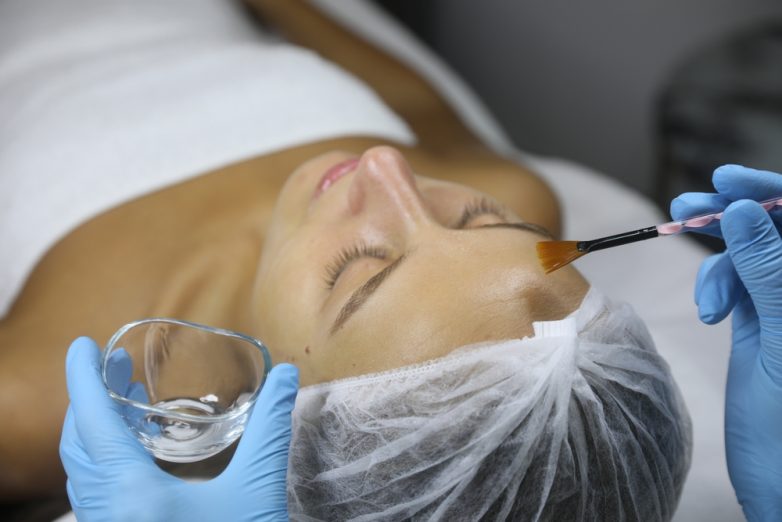
- Chemical peels, tailored gentle peels that lift dull, pigmented surface cells and brighten the skin over a course. These can be wonderful for pigmentation when the strength and type are matched to your skin.
- Microneedling, which helps break up and fade pigmentation while boosting overall skin quality. I have written a whole honest piece on microneedling for pigmentation and sun damage if you would like the detail.
For melasma especially, I keep things gentle and build slowly, because pushing too hard is exactly what backfires.
My honest take
Pigmentation can be really disheartening, but please do not lose hope with it. With the right diagnosis, daily sun protection, the correct skincare and a careful course of treatment, most women see a genuine, lovely improvement in clarity and evenness. The key words are gentle, consistent and tailored, not harsh and rushed.
If those patches have been bothering you, come and see me. We will work out exactly what type of pigmentation you have and build a calm, effective plan around your skin. Book a skin consultation whenever you are ready.